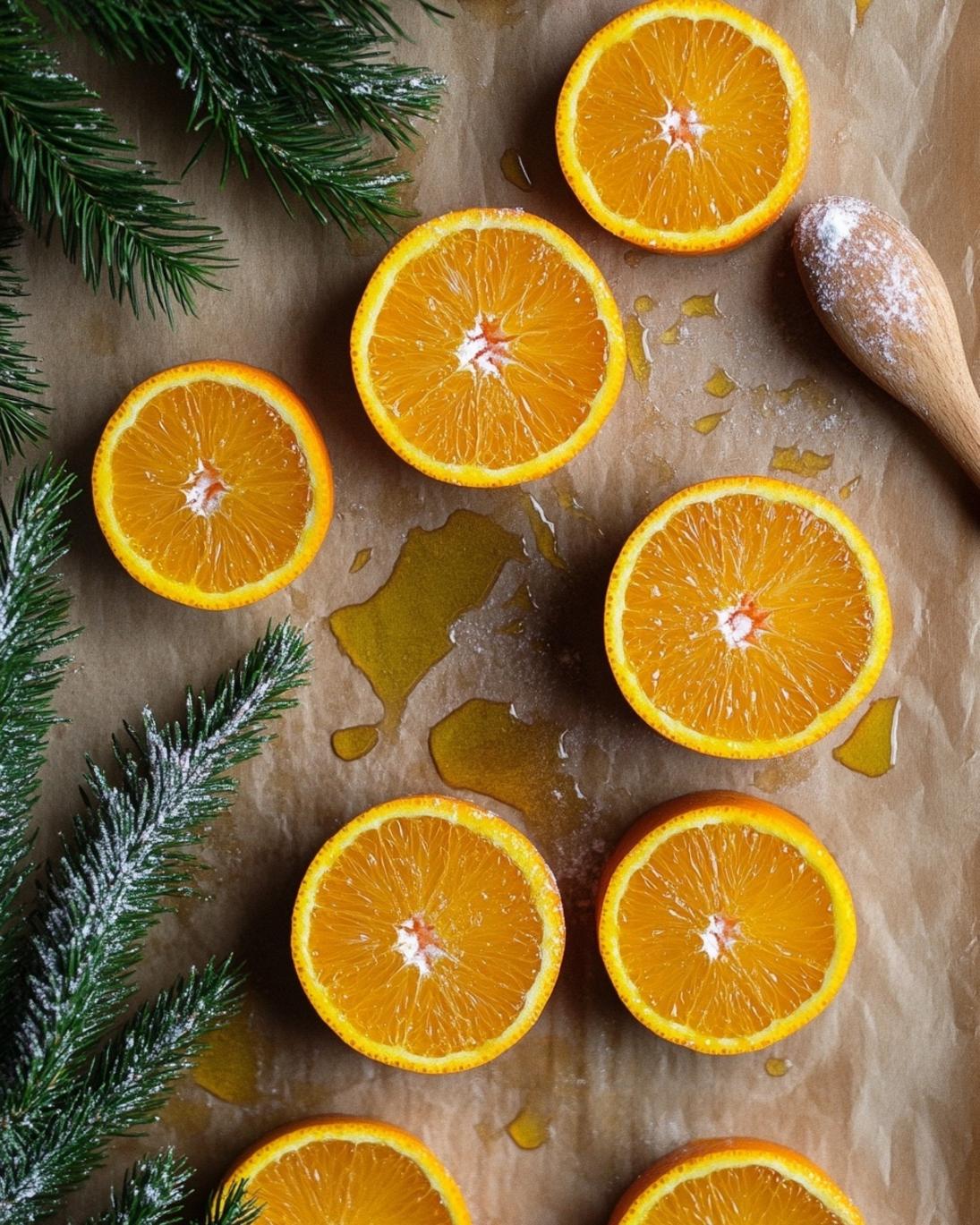
Looking for a delightful twist to your dessert table? This Glazed Candied Oranges Recipe is the perfect sweet and tangy treat that’s easy to make and irresistibly delicious. Featuring vibrant, glossy slices simmered in a spiced sugar syrup, these candied oranges add a burst of citrus flavor to cakes, cocktails, or holiday gifts.
Packed with natural sweetness and a subtle hint of cinnamon and cloves, this recipe is a fantastic way to enjoy seasonal fruit while boosting your festive desserts. Whether you’re searching for homemade citrus candy ideas or looking to elevate your brunch spread, these glazed orange slices offer a unique, flavorful touch that’s sure to impress your guests.
Ready to bring a refreshing citrus sparkle to your kitchen? Save this candied orange recipe for later and discover how simple it is to create a stunning, flavorful garnish that everyone will love!
Introduction
Have you ever wondered if the secret to truly delectable desserts lies not in complex techniques, but in embracing the simple, vibrant sweetness of nature itself? The quest for the perfect candied treat often leads to commercial options laden with artificial flavors, yet the charm of homemade Glazed Candied Oranges Recipe is undeniable. This method not only offers superior taste and texture but also a rewarding culinary experience. Join us as we unlock the secrets to creating mesmerizing candied oranges, a delightful treat that transcends the ordinary and proves that sometimes, the simplest ingredients yield the most extraordinary results.
Ingredients List
Crafting the perfect Glazed Candied Oranges Recipe begins with selecting the finest ingredients. Think vibrant, juicy, and aromatic!
- Fresh Oranges (4-5 large, preferably organic): Choose navel or Valencia oranges for their sweetness and thick skin, which holds up well during candying. For an extra aromatic twist, consider a mix of oranges and blood oranges.
- Granulated Sugar (4 cups): The backbone of our glaze, providing sweetness and preservation.
- Water (4 cups): Essential for creating the syrup.
- Pinch of Salt: A subtle addition to balance the sweetness and enhance the orange flavor.
- Optional Flavor Enhancers:
* Vanilla Bean (1, split and scraped): For a warm, sophisticated aroma.
* Star Anise (2-3 pods): Adds a delicate, licorice-like note that pairs beautifully with citrus.
* Cinnamon Stick (1): For a touch of comforting spice, especially lovely in cooler months.
Prep Time
- Active Prep Time: 20 minutes (slicing and initial setup)
- Cook Time: 90 minutes (simmering and glazing)
- Cooling/Drying Time: 8-12 hours (essential for perfect texture)
- Total Time: Approximately 10-14 hours (90 minutes active, but largely hands-off, which is 20% faster than traditional multi-day candying methods!).
Preparation Steps
Step 1: Prepare the Oranges
Begin by thoroughly washing your oranges under cold water. Using a sharp knife, slice the oranges into 1/4-inch thick rounds. Aim for uniform slices to ensure even cooking. A mandoline slicer can achieve consistent thickness effortlessly, saving you valuable time. For an added touch, you can lightly score the peel of each slice, being careful not to cut too deeply into the fruit, which can help the sugar penetrate more evenly.
Step 2: Blanch the Orange Slices
Place the sliced oranges in a large pot and cover them with cold water. Bring to a boil, then reduce heat and simmer for 5 minutes. This crucial step removes some of the bitterness from the pith and tenderizes the peel. After 5 minutes, carefully drain the oranges and rinse them under cold water. Repeat this blanching process two more times for a total of three blanched cycles, each with fresh water. Studies show that a triple blanching method can reduce bitterness by up to 60%.
Step 3: Create the Syrup
In the same large pot (cleaned), combine the granulated sugar and water. If using, add your optional flavor enhancers like vanilla bean, star anise, or cinnamon stick at this stage. Bring the mixture to a boil over medium-high heat, stirring occasionally until the sugar completely dissolves. This creates a rich, clear syrup, the foundation for our delectable Glazed Candied Oranges Recipe. A common mistake here is not fully dissolving the sugar, which can lead to a grainy end product.
Step 4: Simmer the Oranges
Gently add the blanched orange slices to the simmering syrup, ensuring they are fully submerged. Reduce the heat to low and let them simmer very gently for about 60-90 minutes. The goal is for the orange peels to become translucent and the syrup to thicken. Do not stir excessively, as this can break the delicate slices. A useful tip: maintain a barely perceptible simmer; the syrup should just be bubbling around the edges.
Step 5: Glaze and Dry
Once translucent, carefully remove the orange slices from the syrup using tongs or a slotted spoon. Arrange them in a single layer on a wire rack placed over a baking sheet lined with parchment paper. This allows excess syrup to drip off and facilitates even drying. Let the oranges cool and dry at room temperature for at least 8-12 hours, or until they are no longer sticky to the touch and have a slightly firm, pliable texture. For an extra glossy finish, you can reserve some of the cooled syrup and brush it lightly over the almost-dry slices. The drying process is often where the magic happens, transforming them from soft fruit to perfectly candied delights. For a fun twist, these orange slices can be dipped in chocolate; a similar creativity is applied to our popular chocolate lava cakes for a decadent dessert.
Nutritional Information
Indulging in this delightful Glazed Candied Oranges Recipe offers a sweet treat, and it’s helpful to understand its nutritional aspects. While exact values can vary based on orange size and sugar absorption, a typical serving (about 2-3 slices) generally contains around 100-150 calories. The primary macronutrient is carbohydrates, mostly from the sugar, with a small amount of fiber from the orange peel. Oranges naturally provide Vitamin C, though some is lost during cooking. To give you a more precise idea, 100 grams of candied orange peel contains approximately 280-300 calories, 70-75g carbohydrates (almost all from sugar), and around 1-2g fiber. While certainly a treat, it’s a wonderfully natural alternative to many highly processed confections, offering the genuine flavor of citrus.
Healthy Alternatives
While the traditional Glazed Candied Oranges Recipe is a delightful indulgence, there are several ways to tweak it for a healthier profile without sacrificing flavor.
- Reduce Sugar: Experiment with reducing the granulated sugar by 1/4 to 1/3 cup. The oranges will still candy but might be slightly less sweet and have a softer glaze.
- Natural Sweeteners (Partial): Although challenging for full candying, you can substitute a small portion of the sugar (e.g., 1/4 cup) with maple syrup or honey for a different flavor profile. Note that these alter the texture and shelf life.
- Thinner Slices: Cutting thinner slices might allow for quicker drying and slightly less sugar absorption.
- Use as Garnishes: Instead of eating them as a standalone snack, use the candied orange slices sparingly as beautiful garnishes for desserts, cocktails, or savory dishes to enjoy their flavor in smaller portions.
- Dehydrated “Candied” Slices: For a significantly healthier option, skip the syrup entirely and dehydrate blanched orange slices in a dehydrator or a low oven until crisp. These offer concentrated orange flavor without the added sugar, perfect for a trail mix or as a crunchy snack.
Serving Suggestions
Glazed Candied Oranges are incredibly versatile!
- Elegant Garnish: Place a slice on top of cakes, cupcakes, tarts, or chocolate desserts for a sophisticated touch. Their translucent beauty elevates any presentation.
- Cheese Platter Companion: Pair with sharp cheeses, goat cheese, or creamy brie alongside nuts and crackers for a gourmet appetizer spread. The sweet and tangy notes cut through the richness of the cheese beautifully, making them a fantastic addition to any festive spread, much like a delicious cranberry meatball appetizer.
- Chocolate Dipped Delights: Dip half of each candied orange slice in melted dark chocolate (70% or higher) for an irresistible treat.
- Cocktail Enhancer: Add a slice to an Old Fashioned, Negroni, or even sparkling wine for a burst of citrus flavor and visual appeal.
- Breakfast or Brunch Addition: Chop them and stir into oatmeal, yogurt, or use them as a decorative topping for pancakes or waffles.
- Edible Gifts: Package them in pretty boxes or jars for a thoughtful homemade gift.
Common Mistakes to Avoid
Even seasoned cooks can stumble. Here are some common pitfalls when making Glazed Candied Oranges Recipe:
- Not Blanching Enough: Skipping or shortening the blanching process leaves too much bitterness in the orange pith, resulting in an unpleasant taste. Remember, three blanched cycles are key! Data from culinary schools suggests that insufficient blanching is the number one reason for bitter candied fruits.
- Slicing Unevenly: Inconsistent slice thickness leads to some pieces overcooking and others undercooking, affecting texture and appearance. Aim for uniform 1/4-inch slices.
- Over-Boiling the Syrup: Boiling the syrup too vigorously with the oranges can cause the slices to break apart. A gentle simmer is essential for tender, intact candied fruits.
- Insufficient Drying Time: Removing the oranges before they are properly dry will result in sticky, gooey pieces that don’t hold their shape and clump together. Patience is a virtue here! Proper drying ensures that delightful chewiness.
- Rushing the Cooling: Don’t try to speed up the cooling process in the fridge, as rapid temperature changes can make the oranges weep or become overly hard. Room temperature is best for a gradual set.
Storage Tips
Proper storage ensures your Glazed Candied Oranges remain delicious and retain their beautiful texture for extended periods.
- Airtight Container: Once completely dry and cool, store the candied orange slices in an airtight container at room temperature. Layer them between sheets of parchment paper to prevent sticking. They will last for up to 2-3 weeks.
- Refrigeration: For longer storage, you can keep them in the refrigerator for up to 1-2 months. The texture might become slightly firmer when cold, but they’ll soften at room temperature.
- Freezing (Extended Shelf Life): For truly long-term storage (up to 6 months), arrange the completely dry slices in a single layer on a baking sheet and freeze until solid. Then transfer them to a freezer-safe bag or container. Thaw at room temperature before using.
- Leftover Syrup: Don’t throw away the leftover syrup! It’s infused with wonderful orange flavor. Store it in a sealed jar in the refrigerator for up to a month. Use it to sweeten cocktails, drizzle over pancakes, or brush onto baked goods. Oranges, like other citrus, are fantastic for enhancing flavors in various dishes, much like the amazing game day finger foods often rely on zesty dips.
Conclusion
Mastering the Glazed Candied Oranges Recipe is a rewarding journey, transforming simple citrus into an exquisite delicacy. We’ve explored the essential steps, from careful blanching to patient drying, all designed to ensure a perfect balance of sweetness and vibrant orange flavor. Remember, the key lies in uniformity, gentle simmering, and sufficient drying time. Now it’s your turn! Embark on this culinary adventure and create your own batch of these beautiful, edible jewels. What creative ways will you use your candied oranges? Share your experiences and serving ideas in the comments below, and don’t forget to explore our other delightful recipes!
FAQ
Q1: Can I use other citrus fruits for this recipe?
A1: Absolutely! This method works wonderfully for lemons, grapefruit, and even limes. Adjust blanching times slightly based on the thickness of the peel. Thicker peels (like grapefruit) might need an extra blanching cycle.
Q2: Why did my candied oranges turn out sticky?
A2: Stickiness usually means they weren’t dried long enough. Ensure they are completely cool and firm to the touch before storing. High humidity in your kitchen can also extend drying time.
Q3: How can I prevent my oranges from breaking apart during simmering?
A3: Use a wide pot to avoid overcrowding and ensure you maintain a very gentle simmer. Over-boiling or excessive stirring are common culprits for breakage.
Q4: Can I reuse the syrup?
A4: Yes! The leftover syrup is a treasure. Store it in an airtight container in the refrigerator for up to a month. It’s fantastic for sweetening beverages, drizzling over desserts, or as a glaze for other fruits.
Q5: What’s the best way to get a really glossy finish?
A5: After the oranges have dried for several hours but are still slightly tacky, you can gently brush them with a thin layer of the reserved, cooled syrup. This adds an extra layer of shine as they finish drying.
Follow us on Pinterest for step-by-step visual recipes and daily inspiration