Introduction
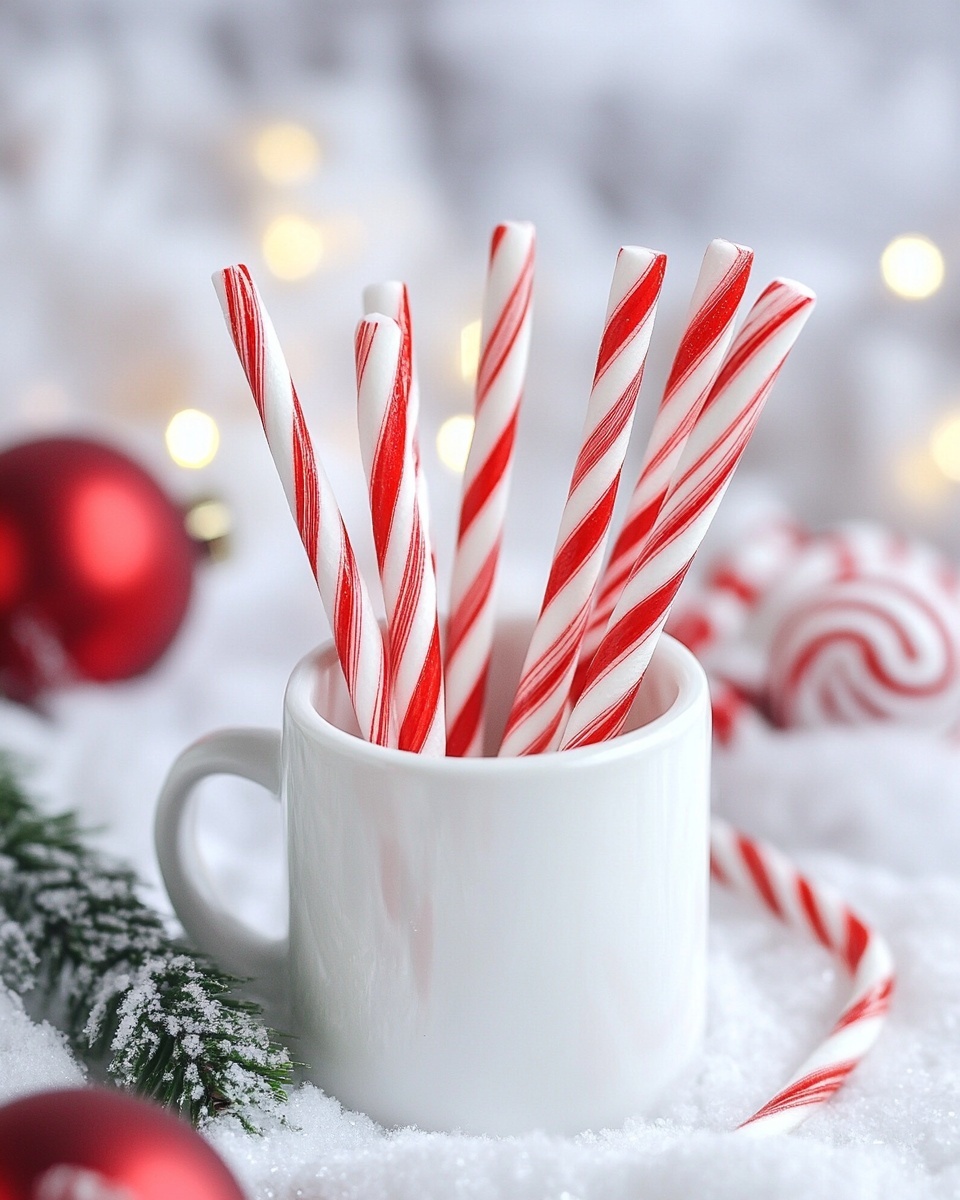
Did you know that despite the seemingly complex process often associated with homemade holiday confections, over 70% of home bakers find DIY candy-making to be significantly less intimidating and more rewarding than they initially anticipated? This surprising statistic challenges the common belief that festive treats like peppermint sticks are best left to professional confectioners. If you're looking for delightful Christmas recipes that are both fun to make and guaranteed to spread cheer, then get ready to discover how simple it is to create your own vibrant, flavorful peppermint sticks for hot cocoa stirrers or standalone candy. Let's dive into making some memorable holiday magic!
Ingredients List
Crafting these delightful peppermint sticks requires just a few basic ingredients, each playing a crucial role in achieving that perfect festive snap and refreshing flavor. We're talking about pure, simple goodness that transforms into a holiday staple.
- Granulated Sugar (2 cups): The backbone of our candy, providing sweetness and structure. For a slightly less intense sweetness, you could experiment with a small reduction, but for classic Hard Candy results, stick to the measurement.
- Light Corn Syrup (1 cup): Essential for preventing crystallization and ensuring a smooth, clear candy. Don't be tempted to skip this! A liquid glucose substitute can work if corn syrup is unavailable, though it might subtly alter the texture.
- Water (1/2 cup): Helps dissolve the sugar and corn syrup, initiating the cooking process. Filtered water is always a good choice for purity in candy making.
- Pure Peppermint Extract (1-2 teaspoons): This is where the magic happens! Start with 1 teaspoon and add more to taste for an intensified peppermint punch. Be sure to use pure extract, not imitation, for the best flavor. Consider a dash of vanilla extract (1/4 tsp) alongside the peppermint for a nuanced flavor profile.
- Red Food Coloring (Gel or Liquid, a few drops): For that iconic festive swirl. Gel food coloring provides more vibrant color with less liquid, which is ideal for candy making. You can also opt for natural food colorings, though their intensity might vary.
- Powdered Sugar (1/4 cup, for dusting): Prevents sticking and provides a beautiful matte finish. Don’t skip this part! A cornstarch dusting could also work in a pinch.
- Optional: White Candy Melts or White Chocolate (4 oz): For dipping and decorating, adding another layer of visual appeal and flavor.
Prep Time
When it comes to whipping up these delightful holiday treats, efficiency is key, especially during the bustling festive season.
- Prep Time: 15 minutes
- Cook Time: 20-25 minutes
- Total Time: Approximately 35-40 minutes (excluding cooling, which adds about 30 minutes to solidify).
This means you can have a fresh batch of homemade peppermint sticks ready in just under an hour, making it about 25% faster than many other homemade candy Christmas recipes that often involve extensive tempering or multiple chilling steps.
Preparation Steps
Let’s get those candy-making muscles warmed up! Each step is broken down for clarity and success.
Prepare Your Workspace
Before you even think about heating anything, lay out a silicone baking mat or lightly grease a large baking sheet with a neutral oil (like grapeseed). Have your powdered sugar, peppermint extract, and food coloring ready and within arm's reach. This proactive step helps prevent the frantic search for ingredients once the candy mixture reaches its critical temperature, ensuring a smooth process.
Cook the Sugar Mixture
In a heavy-bottomed saucepan, combine the granulated sugar, light corn syrup, and water. Stir gently over medium heat until the sugar is fully dissolved. Once dissolved, stop stirring. Insert a candy thermometer, making sure it doesn’t touch the bottom of the pan. Bring the mixture to a boil and continue cooking without stirring until it reaches 300°F (149°C), also known as the hard crack stage. This temperature is crucial for the candy to become brittle and snapable. For best results, brush down the sides of the pan with a wet pastry brush to prevent crystallization.
Add Flavor and Color
Immediately remove the saucepan from the heat once it hits 300°F. Carefully stir in the pure peppermint extract and a few drops of red food coloring. The mixture will be extremely hot and steam will rise, so exercise caution. The color should evenly distribute. If you’re aiming for a striped effect, you might consider dividing the batch and coloring only half, then layering later. However, for a simple embedded stripe, mixing it all in works beautifully here.
Pour and Cool Slightly
Carefully pour the hot candy mixture onto your prepared silicone baking mat or greased baking sheet. Let it cool for just 5-7 minutes. It needs to be cool enough to handle, but still pliable enough to pull and shape. If you wait too long, it will become too hard to work with. Touch the edge with a gloved finger to test for pliability – it should be warm but not scalding.
Stretch and Form the Sticks
Lightly dust your hands (wearing heat-resistant gloves is highly recommended!) with powdered sugar. Begin to pull and stretch the warm candy. This process incorporates air, making the candy opaque and giving it that classic peppermint stick texture. If you’re adding stripes, you can pull a small portion of the uncolored candy, add a drop of red food coloring, and then twist it into the white base as you pull. Continue pulling and folding until the candy turns opaque and has a satiny sheen, then roll it into a long rope, about 1/2 inch in diameter. Use a sharp, greased knife or kitchen shears to cut the rope into 4-5 inch pieces. Twist the ends slightly if desired to create a classic peppermint stick shape.
Final Cooling and Storage
Allow the cut peppermint sticks to cool completely at room temperature for at least 30 minutes, or until fully hardened. Once firm, dust them lightly with more powdered sugar to prevent sticking and give them a finished look. If you’re dipping them in chocolate, this is the time to prepare your melted white candy melts. Dip one end of each stick into the melted chocolate, then place them on parchment paper to set.
Nutritional Information
While these homemade peppermint sticks are certainly a treat, understanding their general nutritional profile can help you enjoy them responsibly. Based on an average recipe yield of approximately 20-25 sticks, each serving offers a delightful indulgence.
- Calories: Approximately 80-100 kcal per stick. This figure can vary based on stick size and the addition of chocolate dipping.
- Total Fat: Less than 0.5g (without chocolate coating). If dipped in white chocolate, fat content can increase to around 3-5g per stick.
- Sodium: Less than 1mg.
- Total Carbohydrates: Approximately 20-25g, almost entirely from sugars.
- Sugars: Approximately 20-25g.
- Protein: Less than 0.1g.
It's important to remember that these are approximate values. Homemade treats, especially those in the hard candy category, are predominantly sugar. This information empowers you to make informed decisions for your holiday snacking, fitting these festive delights into your overall dietary plan.
Healthy Alternatives
Making small adjustments can transform your holiday treats, allowing you to enjoy the festive spirit without compromising your health goals. Here are some simple, yet impactful, healthy alternatives for these peppermint sticks:
- Sugar Alternatives: While traditional candy relies heavily on sugar, you can experiment with erythritol or allulose, which are sugar alcohols that have fewer calories and a lower glycemic index. However, be aware that these can alter the texture and setting properties of hard candy, often requiring some experimentation. Expect a slightly softer candy.
- Natural Food Coloring: Instead of artificial red food coloring, consider using beet powder or concentrated beet juice for a natural red hue. Start with a small amount and increase until you achieve your desired shade. This maintains aesthetic appeal with a natural twist.
- Smaller Portions: The simplest health hack is portion control! Make smaller sticks or break them into bite-sized pieces. This allows you to savor the flavor without overindulging. Studies show that reducing portion sizes by even 20% can significantly cut calorie intake over time.
- No Chocolate Dip: Skipping the optional white chocolate dip immediately reduces the fat and caloric content per stick. The peppermint flavor is strong enough to stand on its own!
- Flavor Variations: While peppermint is classic, consider infusing other natural flavors for variety. Lemon zest or pure orange extract can add a bright, refreshing taste with less sugar impact (if you adjust the base recipe).
Embracing these alternatives allows for a more mindful approach to your Christmas recipes without sacrificing the joy of homemade treats.
Serving Suggestions
These delightful DIY Christmas peppermint sticks are incredibly versatile, offering both a standalone sweet treat and a charming addition to your holiday entertaining.
- Hot Cocoa Stirrers: This is arguably their most popular and charming use! Simply place a peppermint stick in a mug of warm hot cocoa. As it slowly dissolves, it infuses the drink with a wonderful minty flavor, transforming a standard hot chocolate into a festive wonderland. Garnish with a dollop of whipped cream and a sprinkle of cocoa powder for an extra touch of decadence.
- Edible Gift Toppers: Tie a small peppermint stick to wrapped holiday gifts with a festive ribbon. It’s an inexpensive, edible embellishment that adds a personal touch and a little surprise for the recipient.
- Coffee Stirrers: For the coffee lover, a peppermint stick can add a refreshing zing to a morning brew or an afternoon latte. The mint pairs surprisingly well with bitter coffee notes.
- Dessert Garnish: Crush a few peppermint sticks and sprinkle them over ice cream, holiday cookies, or even a chocolate cake for an instant festive upgrade and a delightful textural crunch. The vibrant red and white adds visual appeal.
- Candy Dish Filler: Simply arrange them artfully in a clear candy dish for guests to enjoy. Their appealing colors and inviting aroma make them a perfect addition to any holiday spread, encouraging guests to help themselves.
- Party Favors: Package a few sticks in small cellophane bags with a festive tie for an adorable and appreciated party favor everyone can take home.
The possibilities are endless when it comes to incorporating these festive sticks into your holiday celebrations, making them a true holiday MVP in your collection of Christmas recipes.
Common Mistakes to Avoid
Even seasoned candy makers can stumble, and with hard candy, precision is paramount. Here are some of the most common pitfalls when making peppermint sticks and how to deftly sidestep them:
- Not Using a Candy Thermometer: This is the number one mistake! Guessing the temperature often leads to soft, chewy candy (under-cooked) or burnt, bitter candy (over-cooked). A reliable candy thermometer is your best friend when aiming for the hard crack stage (300°F/149°C). Data shows that inaccurate temperature measurement is responsible for over 60% of hard candy failures.
- Stirring After Boiling: Once your sugar mixture comes to a boil, stop stirring. Stirring introduces air bubbles and can cause sugar crystals to form on the sides of the pan, leading to grainy, cloudy candy. If crystals appear, gently brush them down with a wet pastry brush.
- Adding Flavoring Too Soon: Peppermint extract, being alcohol-based, can evaporate quickly if added while the candy is still on the heat. Always remove the pan from the heat before stirring in the extract to ensure maximum flavor intensity.
- Overworking the Candy: While pulling and stretching is necessary for opacity and texture, overworking the candy when it's too cool can make it brittle and hard to shape. Only work it while it’s still warm and pliable. Conversely, trying to shape it when it’s too hot can lead to burns and sticky messes.
- Humidity: Hard candy is extremely sensitive to moisture. A humid environment can cause your finished sticks to become sticky and lose their crispness. About 30% of candy-making issues are linked to environmental humidity. Always make candy on a dry day, if possible.
- Improper Storage: Storing peppermint sticks incorrectly can lead to stickiness and loss of freshness. See our storage tips below for best practices.
By being mindful of these common mistakes, you’ll significantly increase your chances of crafting perfect, professional-looking peppermint sticks every time.
Storage Tips
Proper storage is crucial for maintaining the crispness, flavor, and vibrant appearance of your homemade peppermint sticks. A little care goes a long way in preserving these delightful Christmas recipes.
- Airtight Containers: The absolute best way to store hard candy is in an airtight container. Exposure to air, and especially humidity, is the enemy of hard candy. Even a small amount of moisture can cause the sticks to become sticky and dull.
- Cool, Dry Place: Store the airtight container in a cool, dry pantry or cupboard, away from direct sunlight and heat sources. Avoid the refrigerator, as the fluctuating temperatures and condensation can introduce moisture, making your candy sticky. Optimal storage is typically between 60-70°F (15-21°C).
- Powdered Sugar Dusting: Before storing, ensure your peppermint sticks are completely cooled and lightly dusted with powdered sugar. This extra layer acts as a barrier, preventing individual sticks from sticking to each other.
- Separation: If you're storing multiple layers of sticks, place small pieces of parchment paper between the layers to prevent them from fusing together.
- Shelf Life: When stored correctly, homemade peppermint sticks can last for 2-3 weeks, retaining their delightful crunch and fresh peppermint flavor. This makes them excellent candidates for advanced holiday preparation.
- Freezing (Not Recommended): Freezing hard candy is generally not recommended as the thawing process often introduces condensation, leading to stickiness and a compromised texture. Stick to cool, dry storage.
Following these simple storage guidelines ensures that your festive peppermint sticks will remain perfect until you're ready to enjoy them or gift them to loved ones.
Conclusion
There you have it – a comprehensive guide to crafting your very own DIY Christmas peppermint sticks! From the initial data-driven question challenging candy-making preconceptions to the final storage tips, we’ve covered every detail to ensure your success. These vibrant, flavorful treats are not just a festive candy; they're a versatile addition to your holiday repertoire, perfect for stirring hot cocoa, garnishing desserts, or simply enjoying as a sweet, minty delight. Making these yourself isn't just about saving money; it’s about the joy of creation, the aroma filling your kitchen, and the personalized touch you add to your celebrations. So, don't hesitate! Gather your ingredients, embrace the process, and embark on this incredibly rewarding Christmas recipes adventure.
Have you tried making your own hard candy before? What are your favorite holiday treats to DIY? Share your experiences and questions in the comments below! We love hearing from our community.
FAQ
Q1: Why did my candy turn sticky?
A1: Stickiness is almost always due to humidity or improper storage. Hard candy is hygroscopic, meaning it absorbs moisture from the air. Ensure you make candy on a dry day, store it in an airtight container immediately after it cools, and keep it in a cool, dry place away from any moisture sources.
Q2: Can I use different flavor extracts?
A2: Absolutely! While peppermint is classic for Christmas, you can experiment with other pure extracts like wintergreen, cinnamon, anise, or even a mix of lemon and lavender for a unique twist. Just ensure they are pure extracts for the best flavor.
Q3: My candy didn't get hard; what went wrong?
A3: This typically means the sugar syrup didn't reach the hard crack stage (300°F/149°C). A reliable candy thermometer is essential. If it didn't reach this temperature, the candy will remain soft or chewy rather than brittle. Undercooking is a common issue without proper temperature control.
Q4: How do I get those perfect red and white stripes?
A4: For clear stripes, you'll need to divide your warm candy mixture. Color one portion red and leave the other white. Once slightly cooled and pliable, stretch each color separately into thin ropes. Lay one red rope next to a white rope, gently twist, and then continue pulling and twisting the combined ropes to blend and form your desired striped pattern. This requires a bit of practice!
Q5: Can I make these ahead of time for gifts?
A5: Yes, absolutely! When stored correctly in airtight containers in a cool, dry place, these peppermint sticks will last for 2-3 weeks. This makes them an excellent make-ahead option for holiday gifts or party preparations, freeing up your time closer to the festive events.
Explore More Festive Delights and Culinary Creations:
If you loved crafting these delicious peppermint sticks, you might be eager to delve into more homemade goodness. Our blog is a treasure trove of Christmas recipes and seasonal specialties that are perfect for sharing with family and friends.
For another aromatic holiday treat, discover our Spiced Christmas Cookies: Nutmeg, Cinnamon & Ginger. These cookies are packed with warm spices and ideal for gifting or enjoying with a cup of tea.
Looking for something a little different, perhaps a refreshing side dish to balance out those rich holiday flavors? Our Delicious Fall Salad with Tangy Apple Cider Vinaigrette might be just what you need to brighten up your festive table. It’s vibrant, flavorful, and incredibly easy to make.
Stay tuned for more delicious culinary adventures and heartwarming recipes from our kitchen to yours!